Classical
Educate your children the same way history’s greatest thinkers, speakers, creators, and world-changers learned.
Learning that Nourishes Mind, Body, and Spirit

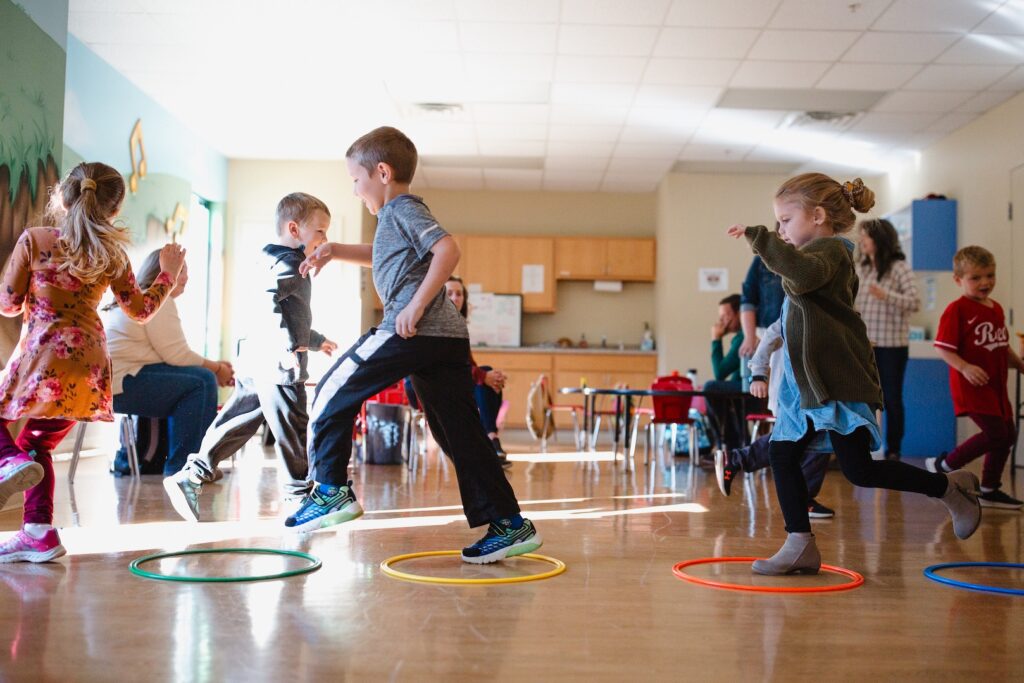
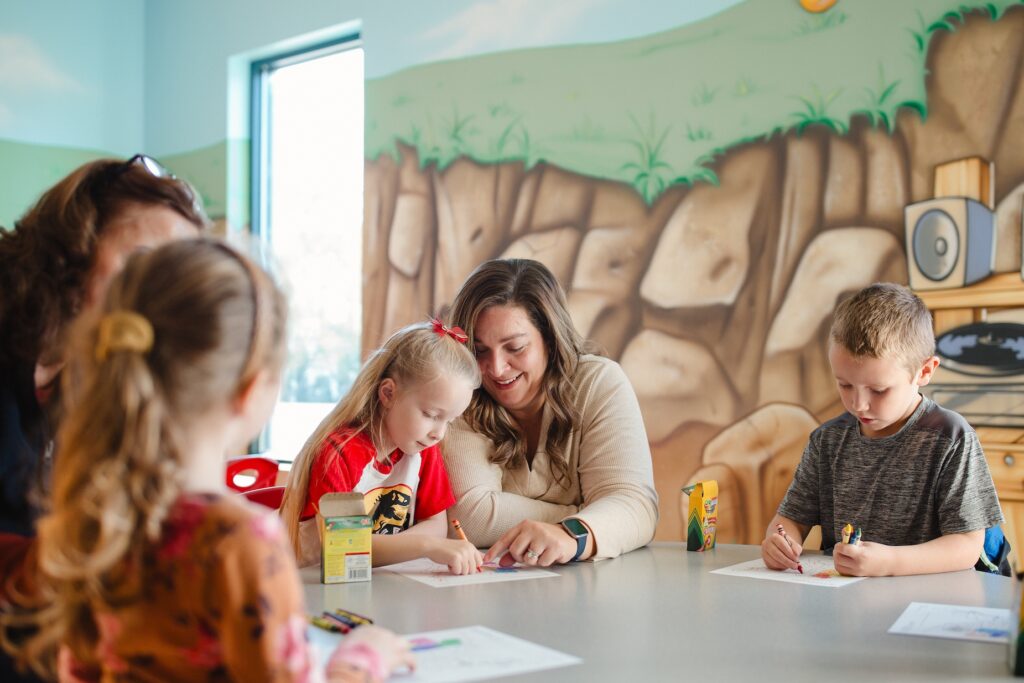
We begin in the early years with children’s natural inclination to imitate others. Your child builds a rich vocabulary by repeating and chanting rhymes and songs.
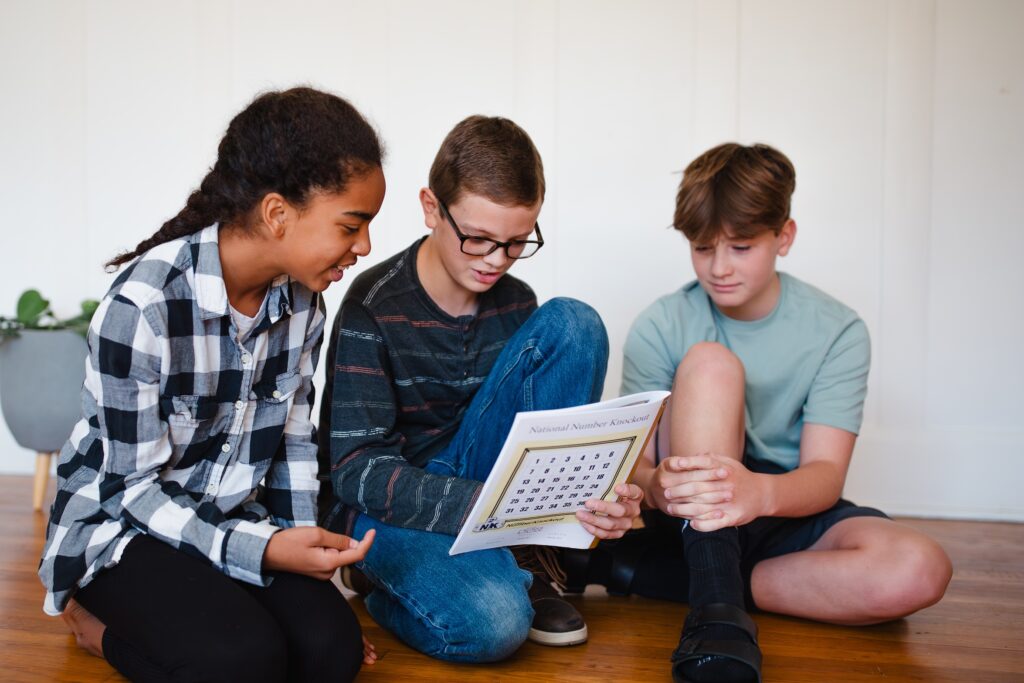
DialecticAs your child grows, we help you channel his or her curiosity into asking questions and investigating through dialogue.
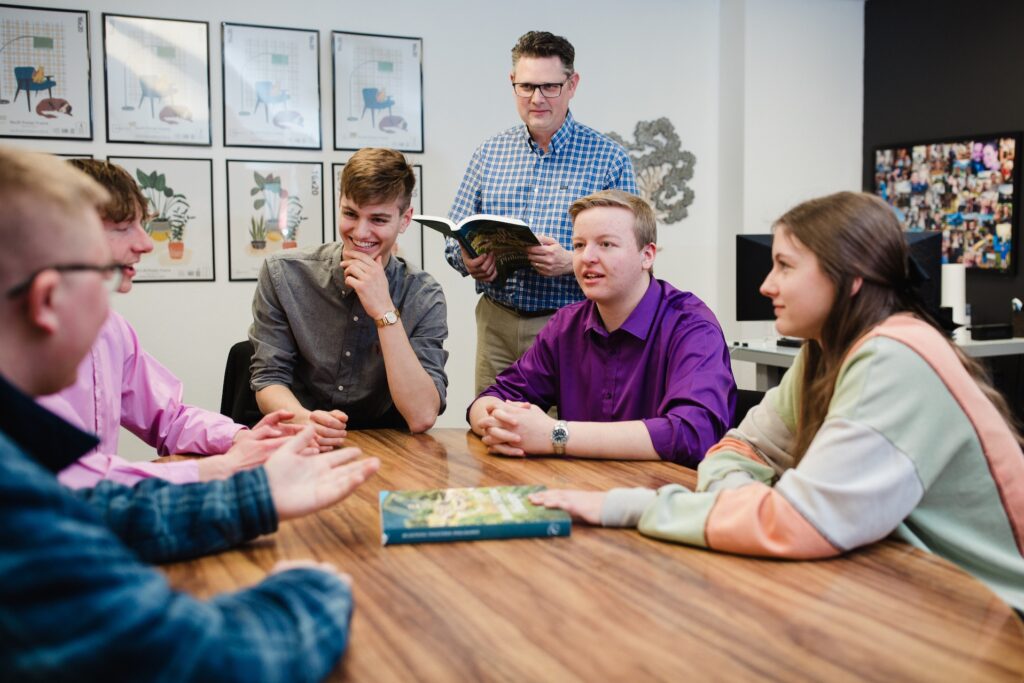
RhetoricFinally, we provide opportunities for your maturing student to become a critical thinker and problem solver through writing and conversation.
The classical learning model incrementally shapes how children think and learn by building on how they naturally develop.
The Trivium
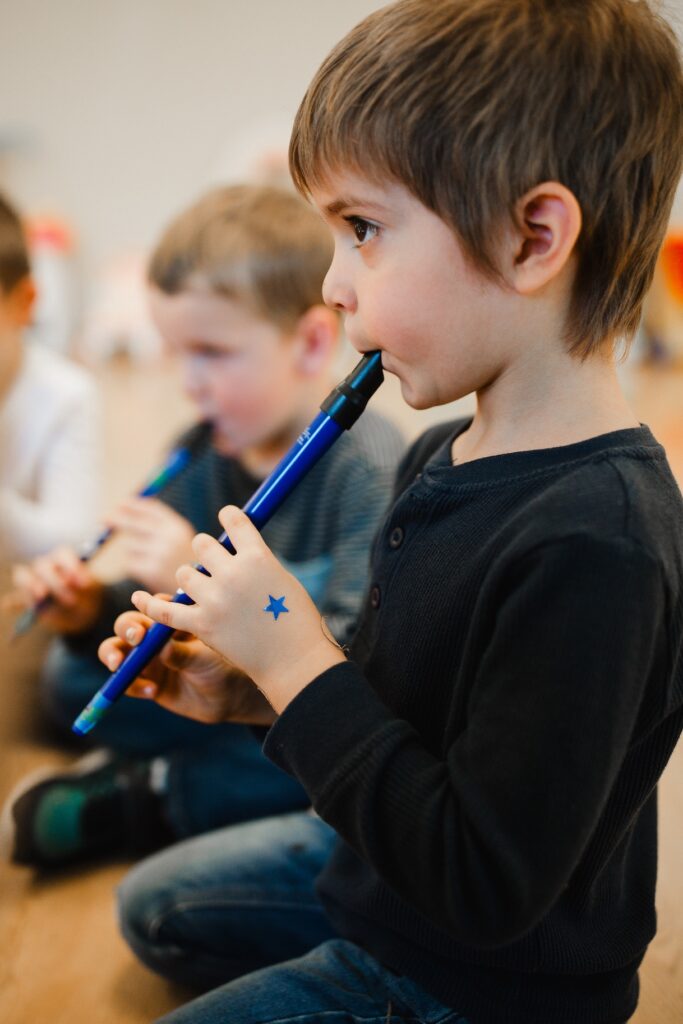
Children in the grammar stage thrive on mimicry and a mastery of the familiar. Since young children find repetition both natural and pleasant, the foundation of the Grammar stage is built on memorization. During this stage, a Classical student will commit the “grammar” of history, geography, math, English, science, and Latin to memory.
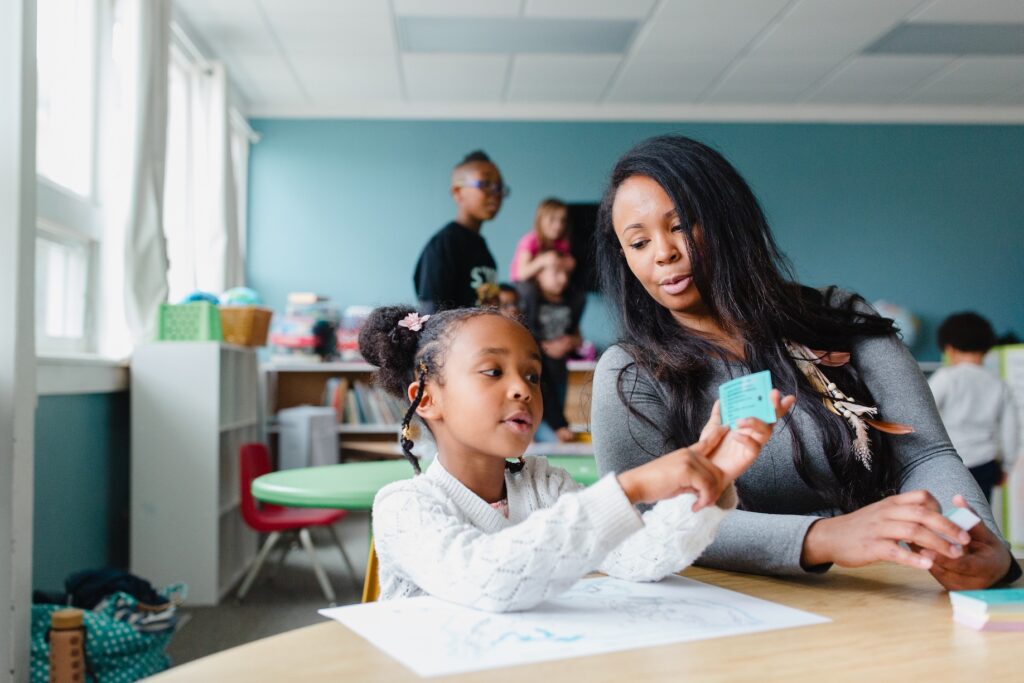
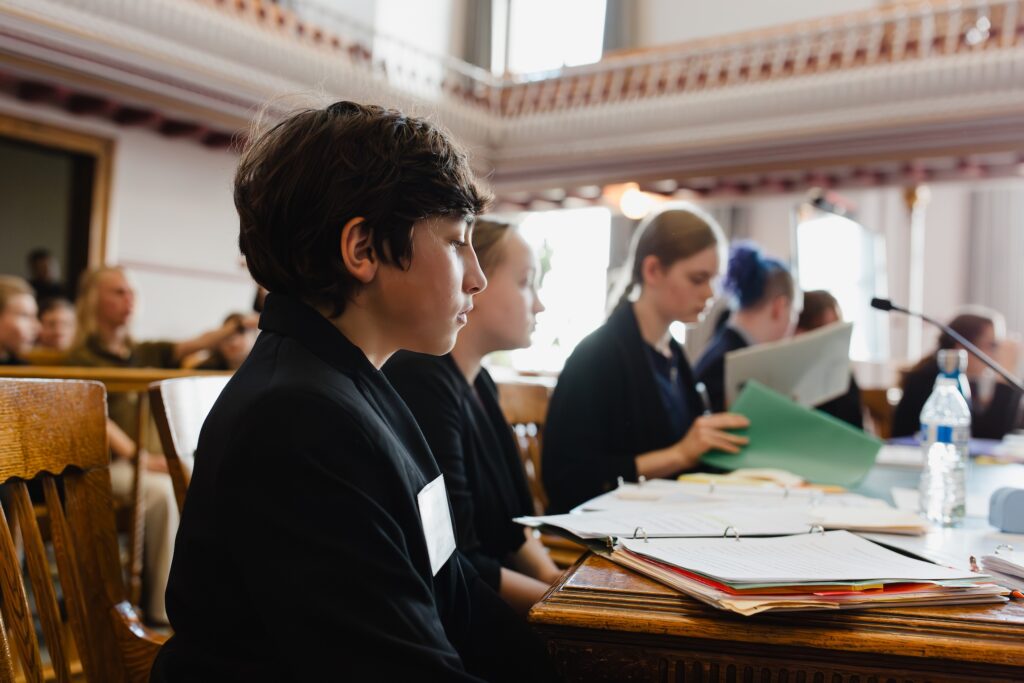
In the dialectic stage, the Classical model harnesses the teenager’s natural gift for argumentation. Dialectic (from the Greek words for “through” and “discourse”) emphasizes learning through conversation and inquiry. Students use questions, discussion, and debate to deepen their understanding of grammar, exposition, debate, reasoning, research, and logic.

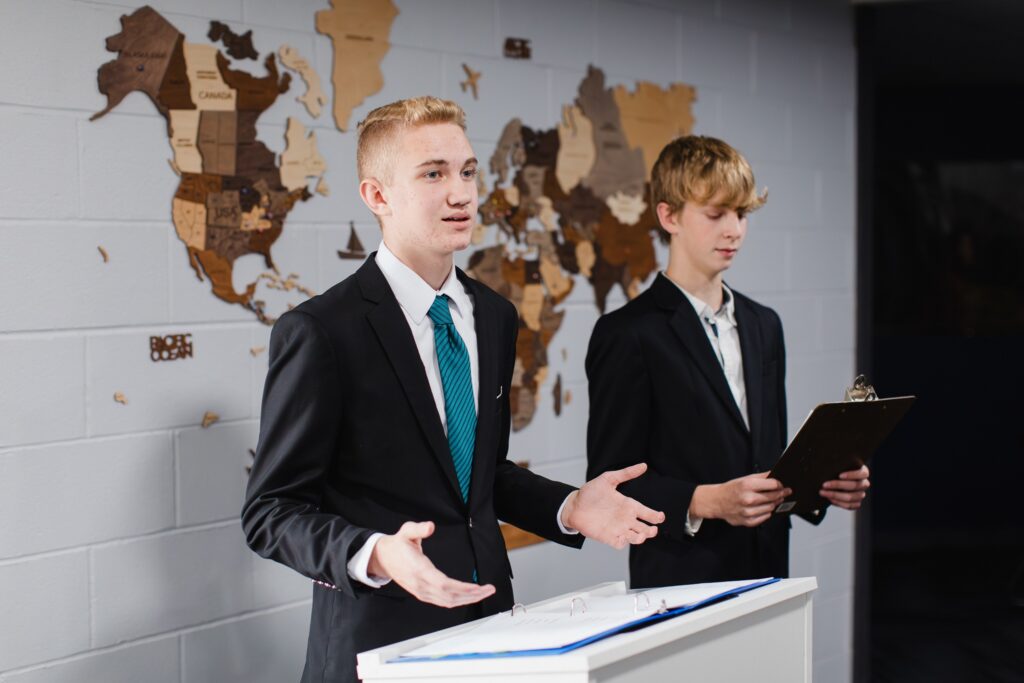
The final stage of the Trivium is mastering the art of persuasion. As students wrestle together with deep and compelling questions revealed in their studies of exposition, logic, debate, reasoning, research, and grammar, they hone effective written and oral communication skills in order to persuade others toward Truth, Virtue, and Beauty.

Our Programs
ages 4 to 12
Foundations
ages 9 to 12
Essentials
ages 12 and up
Challenge
Every Celebration Leaves Its Mark
The Art of Grammar
Children in the grammar stage thrive on mimicry and a mastery of the familiar. They enjoy singing the same songs, watching the same movies, and reading the same storybooks over and over again — much to chagrin of their parents! Since young children find repetition both natural and pleasant, the foundation of the Grammar stage is built on memorization. During this stage, a Classical student will commit the “grammar” of history, geography, math, English, science, and Latin to memory.
The Art of Dialectic
Moments preserved with timeless imagery — authentic, elegant, and entirely yours.
The Art of Rhetoric
Couples who valued presence, grace, and celebrations rooted in love — not just performance.
A Day Full of
Meaning and Light