Foundations
Ages 4 to 12
Foundations by the Numbers
Classical Rhythm and Repetition
Foundations material is divided into three “cycles” of content: one cycle per year for three years. The upcoming cycle for 2026-2027 is Cycle 3.
Small Classes with Parents attending
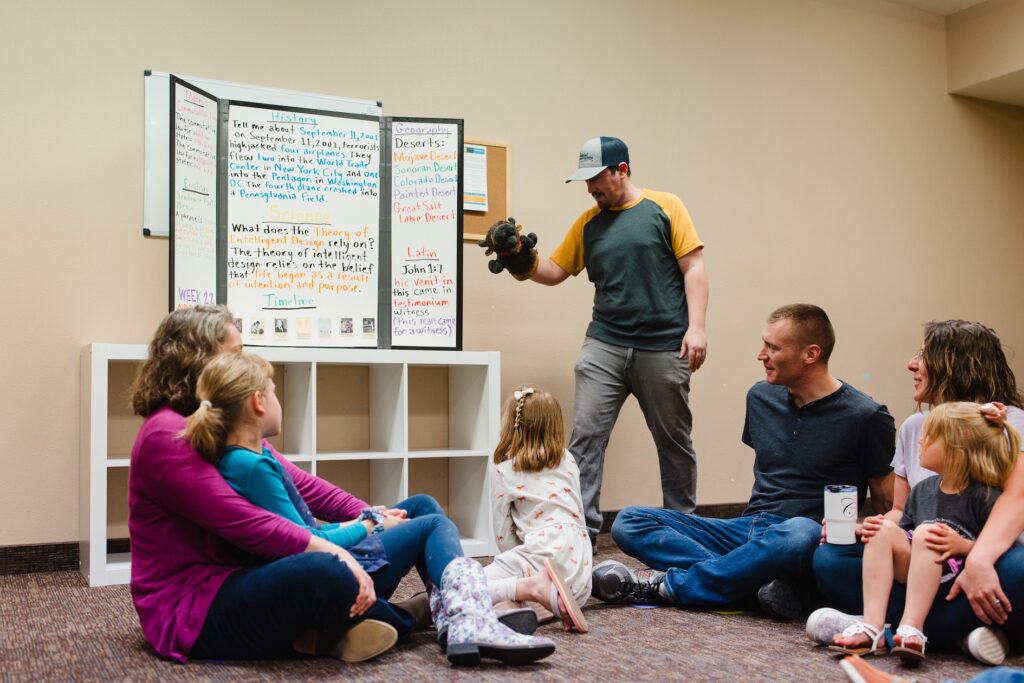
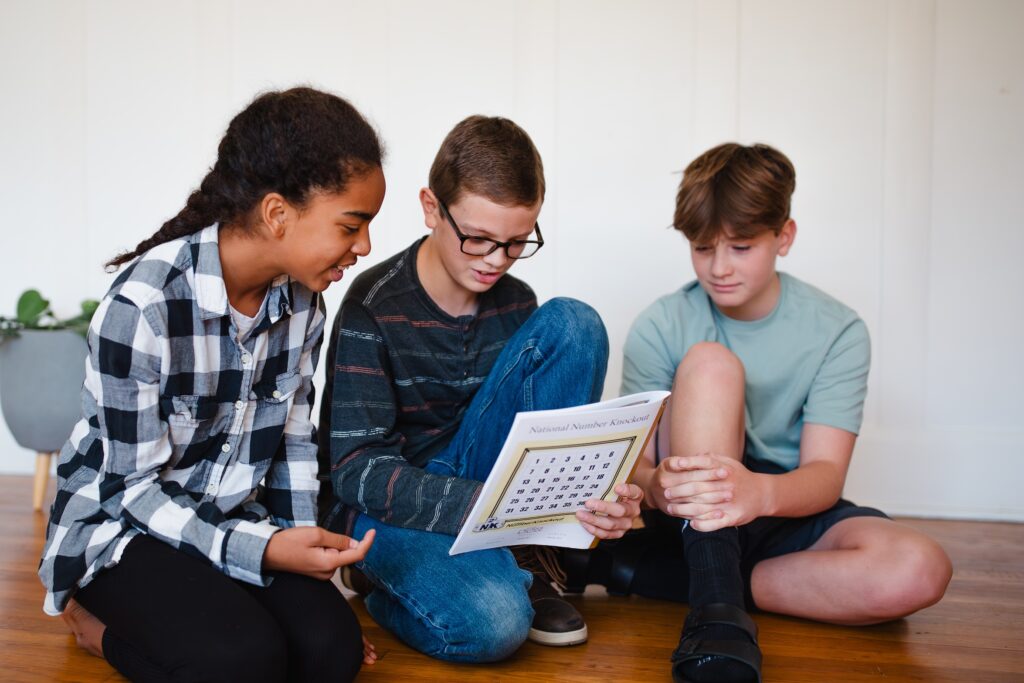
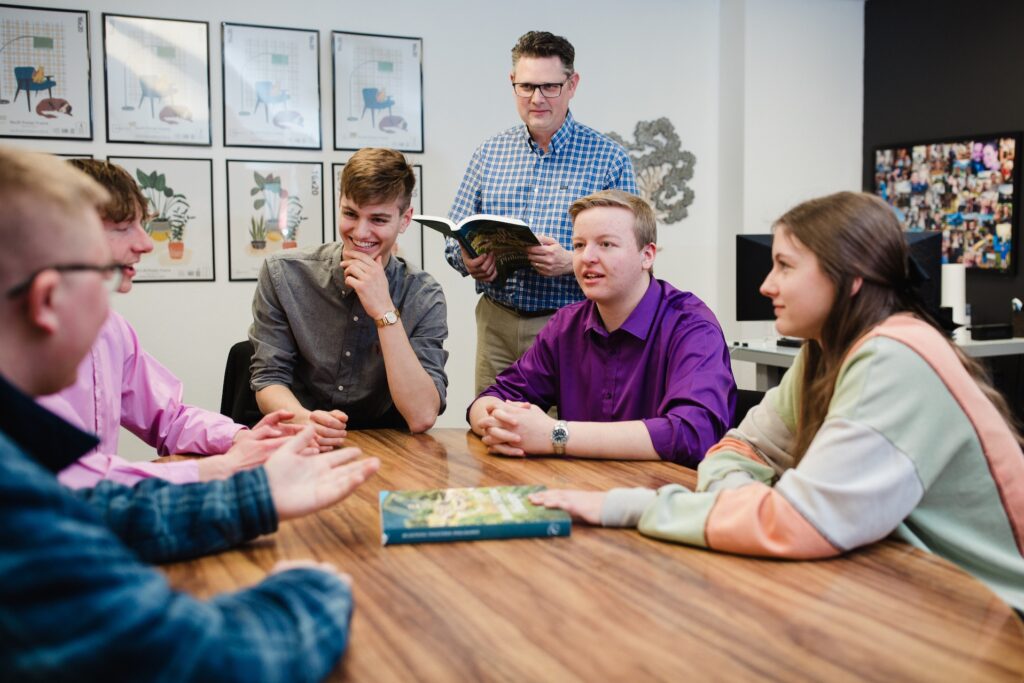
Tutors model a variety of methods to introduce new material to groups of up to eight students. Parents participate on community day to practice teaching classically at home.
Weekly Community Days
The Foundations program meets at a local host church for three hours of learning on 24 weeks of the year. Classical Conversations Midtown Tulsa meets on Thursdays.
Knowledge Mastery
A Classical Conversations “Memory Master” is an award conferred on students who successfully memorize — and recite multiple times — over 300 individual facts from the current cycle of content. Memory Master is a worthy but strictly optional achievement.
Five Components to build Knowledge and Mastery
On each community day, a trained Foundations Tutor leads a small class of students (and their parents) through five key components: memory work, student presentations, hands-on science, fine arts, and memory work review.
Memory Work
Each week, Tutors introduce new grammar covering seven subject areas (the timeline, history, geography, English grammar, Latin, science, and math) and guide students through age-appropriate memorization activities. The goal of memory work is to help each student establish a firm foundation of facts upon which to build later study.
Student Presentations
Each student delivers a short presentation in front of his or her class. Presentations topics are at the discretion of the parents, and the emphasis is on growing good presentation skills. Presentations help our students increase their comfort with addressing a group and learn to be polite listeners as they work toward mastery of the fundamentals of public speaking.
Hands-on Science
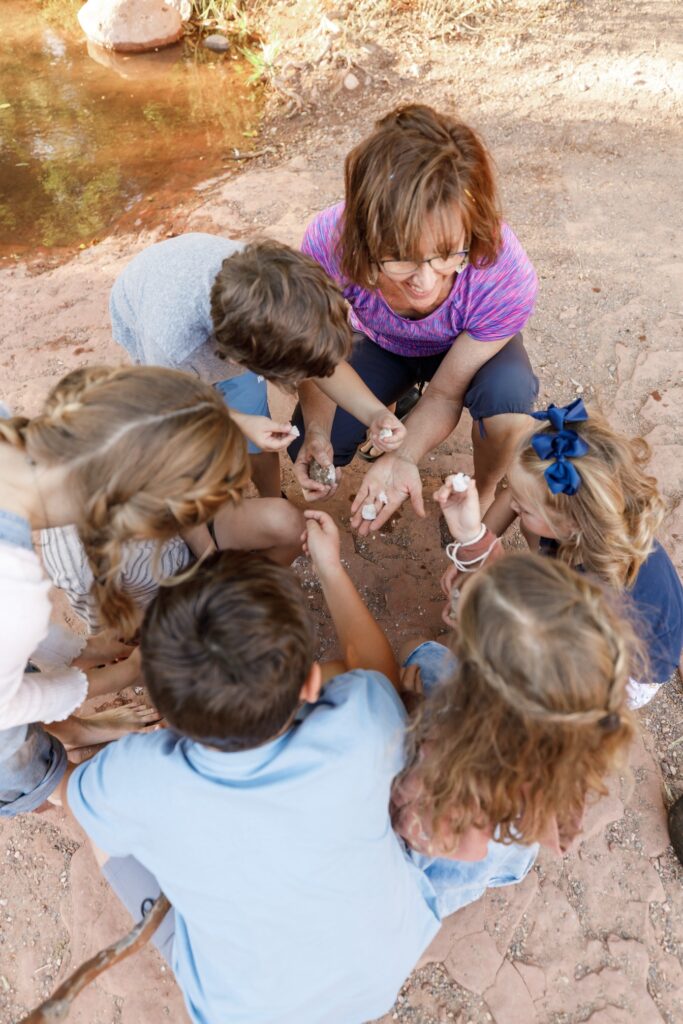
Students complete a tutor-guided science experiment or activity, offering them an opportunity to examine, to test, and to learn chemistry, physics, earth science, astronomy, origins, environmental science, biology and anatomy over all three cycles. The goal is to illuminate the world of science and expose each student to the wonder and intricacy of God’s universe.
Fine Arts
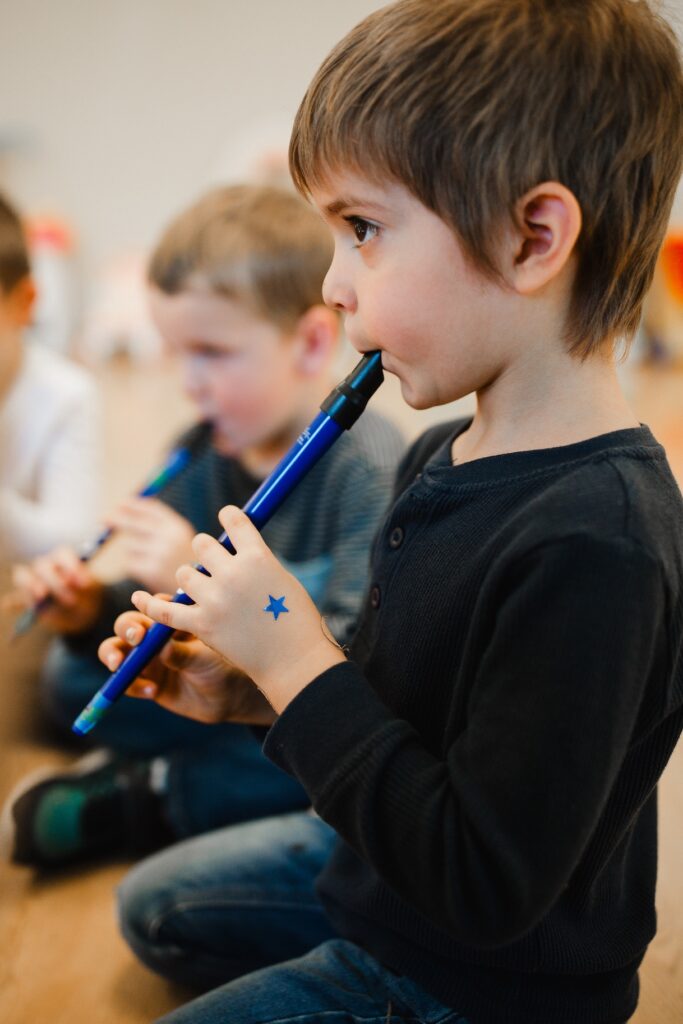
Students explore art techniques and musical theory, as well as the works of great artists and composers. Fine Arts is divided into six-week segments, including: Drawing, Famous Artists, Tin Whistle, and Orchestra. Students not only create their own art, they study the great masters, including the composers from Handel to Stravinsky, and artists from Giotto to Lichtenstein.
Review Games
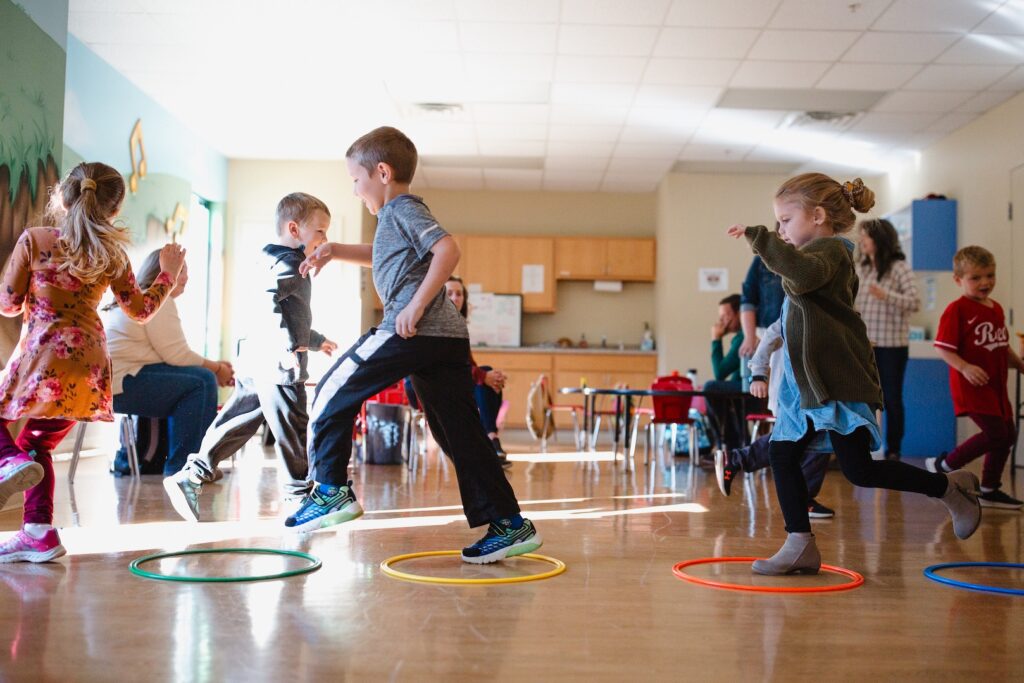
The final component of Foundations is memory work review. Each tutor leads his or her class through fun games that help solidify previous weeks of grammar facts. With a little repetition and a lot of creativity, students find themselves mastering things such as Latin declensions, the timeline of history from Creation to present day, or the multiplication tables.

Nicole Zajac
Shari Hatfield

Amy Gattis
Christy Williams

We begin in the early years with children’s natural inclination to imitate others. Your child builds a rich vocabulary by repeating and chanting rhymes and songs.
DialecticAs your child grows, we help you channel his or her curiosity into asking questions and investigating through dialogue.
RhetoricFinally, we provide opportunities for your maturing student to become a critical thinker and problem solver through writing and conversation.
The classical learning model incrementally shapes how children think and learn by building on how they naturally develop.
The Trivium
Grammar

Dialectic

Rhetoric


190+ Celebrations
Captured with care















Nicole Zajac, Foundations & Essentials Director