Essentials
Ages 9 to 12
Essentials by the Numbers
Classical Rhythm and Repetition
The Essentials program encompasses three key components: English grammar, math speed drills, and history-based writing instruction. Ideally, each student will complete at least three “tours” of Essentials, increasing in mastery each year. During the 2026-2027 academic year (Cycle 3), essay writing will focus on the history of the United States.
Small Classes with Parents attending
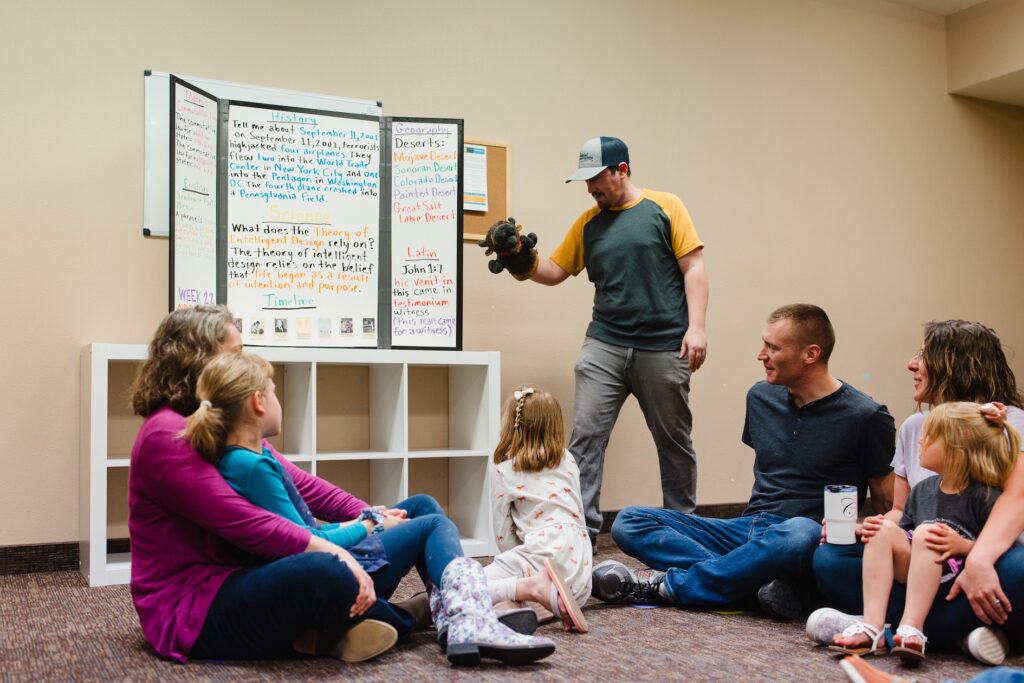
Tutors model introducing and practicing new material with groups of up to 16 students. Parents participate on community day to practice teaching classically at home.
Weekly Community Days
The Essentials program meets after Foundations classes for two hours in the afternoon on 24 weeks of the year. Classical Conversations Midtown Tulsa meets on Thursdays.
Three Components to build Knowledge and Mastery
On each community day, a trained Essentials Tutor leads a class of students (and their parents) through three key components: English grammar, math speed drills, and history-based writing instruction.
English Grammar
Each week, Tutors introduce new concepts in the Essentials of the English Language curriculum. Mixing in strategic memorization of vocabulary, grammar rules, and lists with a series of analytical tasks, families practice how to analyze sentence construction thoughtfully, developing strong written and oral language skills, and laying the groundwork for foreign language study.
Math Games
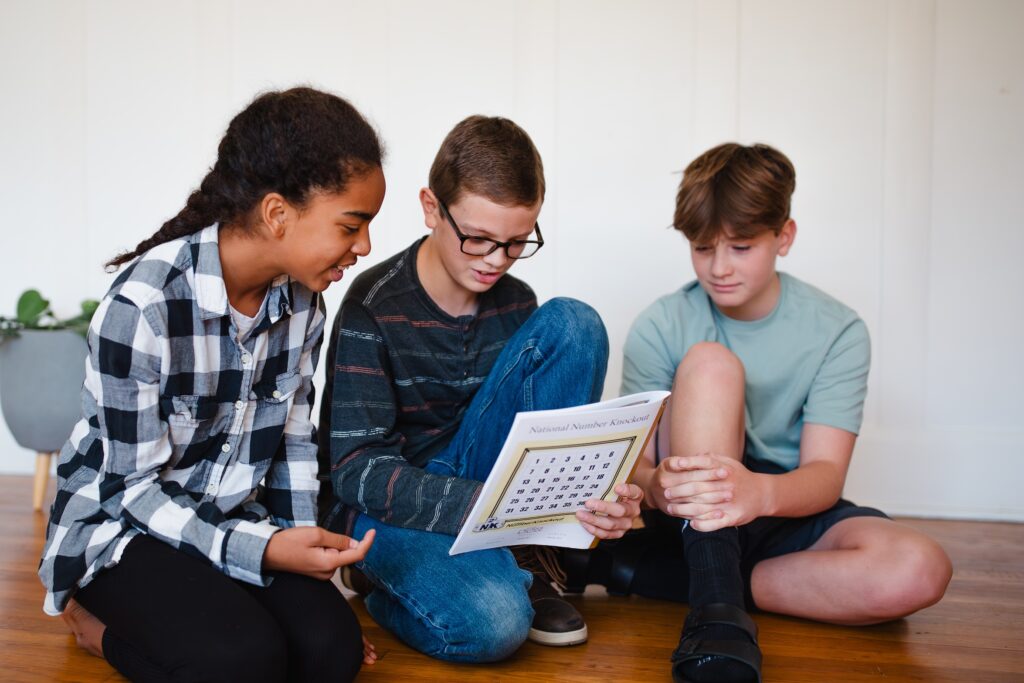
With a focus on developing greater speed and accuracy, the math component of the Essentials program takes students through weekly math drills and games such as Number Knockout. Students use addition, subtraction, multiplication, division, roots, and exponents, to increase their math fluency, and develop minds and habits for the higher math ahead.
Writing Instruction
Using a history-based writing curriculum, students develop strong outlining and note-taking skills alongside various writing techniques, such as using strong verbs, and quality adjectives to dress up their writing. Their writing efforts culminate with Faces of History, an end-of-year project to research, write about, and dress up as a noteworthy historical figure of the student’s choice.

Nicole Zajac

Shari Hatfield

Amy Gattis
Christy Williams

We begin in the early years with children’s natural inclination to imitate others. Your child builds a rich vocabulary by repeating and chanting rhymes and songs.
DialecticAs your child grows, we help you channel his or her curiosity into asking questions and investigating through dialogue.
RhetoricFinally, we provide opportunities for your maturing student to become a critical thinker and problem solver through writing and conversation.
The classical learning model incrementally shapes how children think and learn by building on how they naturally develop.

The Trivium
Grammar


Dialectic


Rhetoric


190+ Celebrations
Captured with care















Nicole Zajac, Foundations & Essentials Director