Challenge
Ages 12 and up
Challenge by the Numbers
Classical Integration
Modern education removes each subject from its context within the universe to learn it in isolation. Classical Conversations integrates all disciplines of learning by having one group of students explore all subjects under the guidance of one trained tutor, using discussion to discover and delight in the intertwined unity of Truth.
Small Classes with Parents welcome
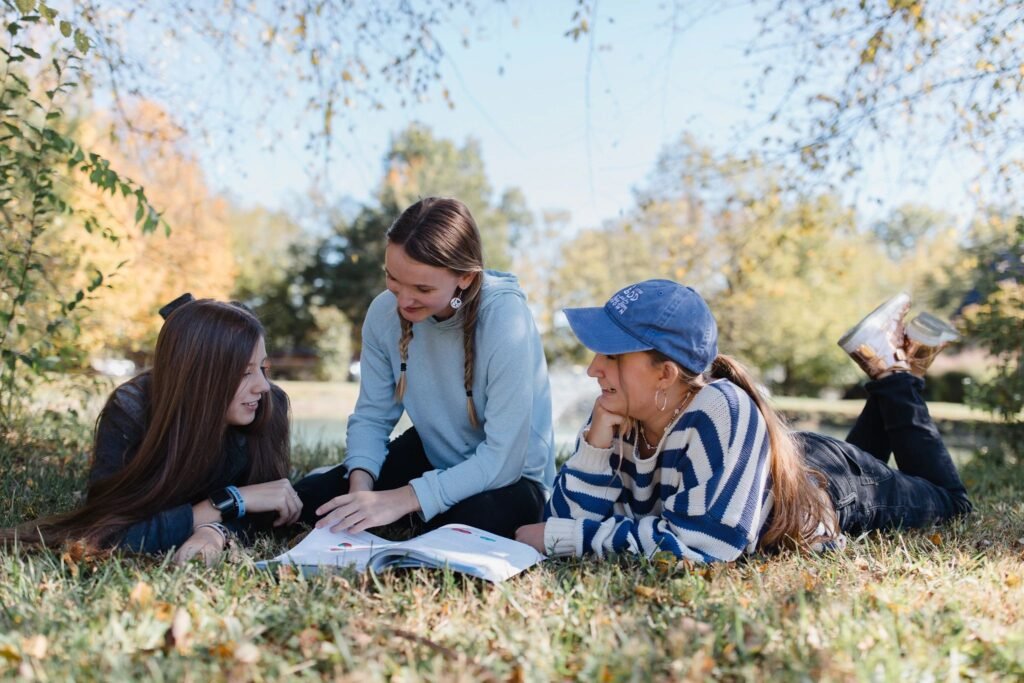
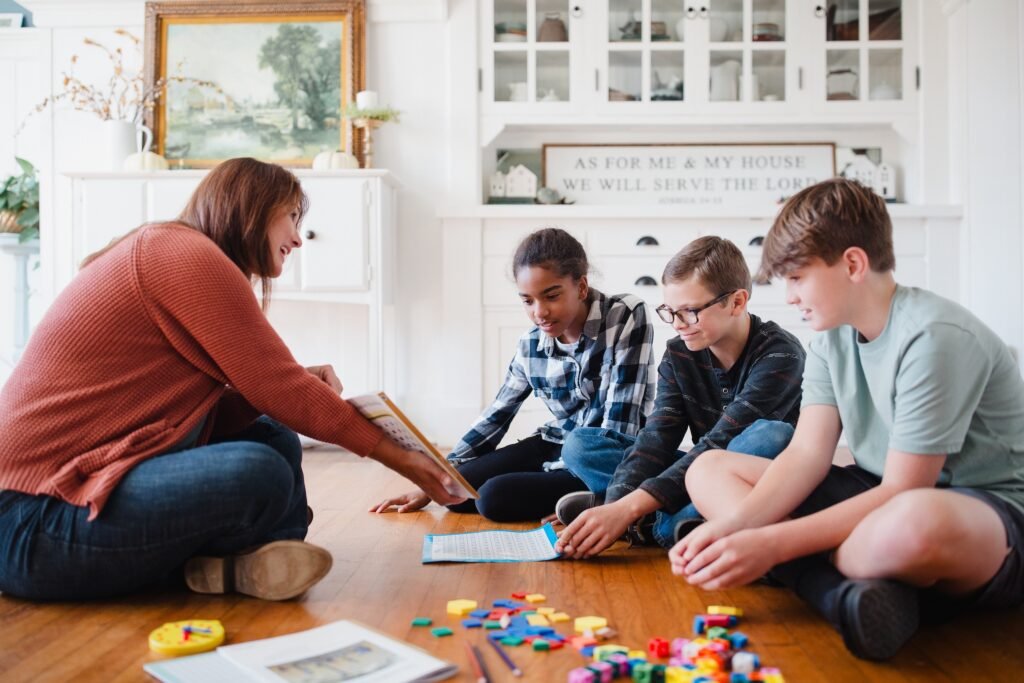
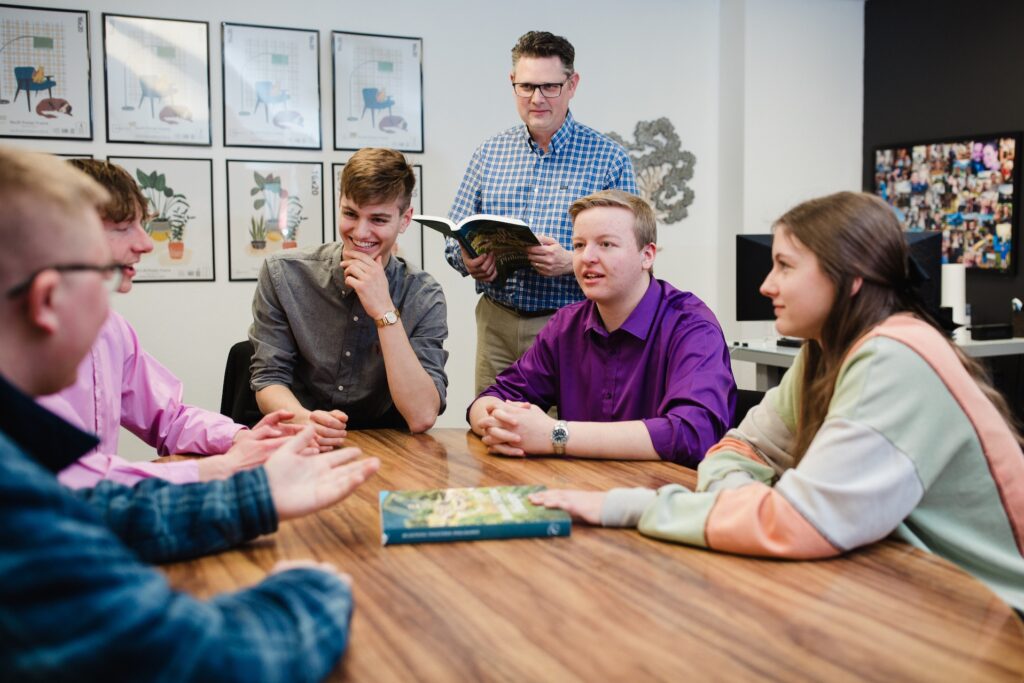
Tutors models enthusiasm for learning, wise inquiry, and hospitable community to a group of up to 12 students as they enjoy weekly seminars of discussion, presentation, and connection. Parents may drop-off students on community day, but enjoy an open-door policy to visit and observe class.
Weekly Community Days
The Challenge program meets at a local host church for 30 weeks of the year. Classical Conversations Midtown Tulsa meets on Thursdays from 8:30 AM to 3:30 PM.
Finishing Strong
Parents can take confidence in a program already designed with the end in mind! Each level of our six Challenge programs flows seamlessly into the next, building on 15 Classical Tools to root scholars in Truth, virtue, and beauty as they grow in knowledge, understanding, and wisdom.
Six Strands to build Knowledge, Understanding, and Wisdom
On each community day, a trained Challenge Tutor leads a small class of students through six strands of classical learning: Logic, Grammar, Research, Reasoning, Exposition, and Debate.
Exposition
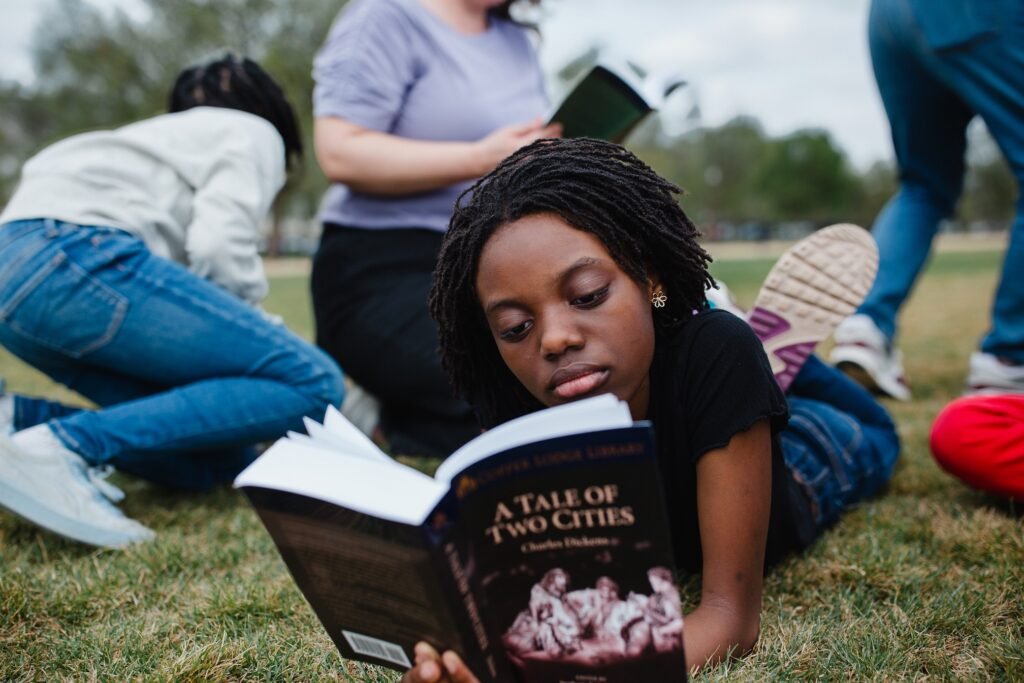
Students expand their reading, writing, and thinking skills through studies in Literature and Composition. Students will read the Great Books, short stories, poetry, and plays and learn to explore them more deeply through the writing of persuasive essays, short fiction, and poetry, plus memorization and rhetorical presentations.
Debate
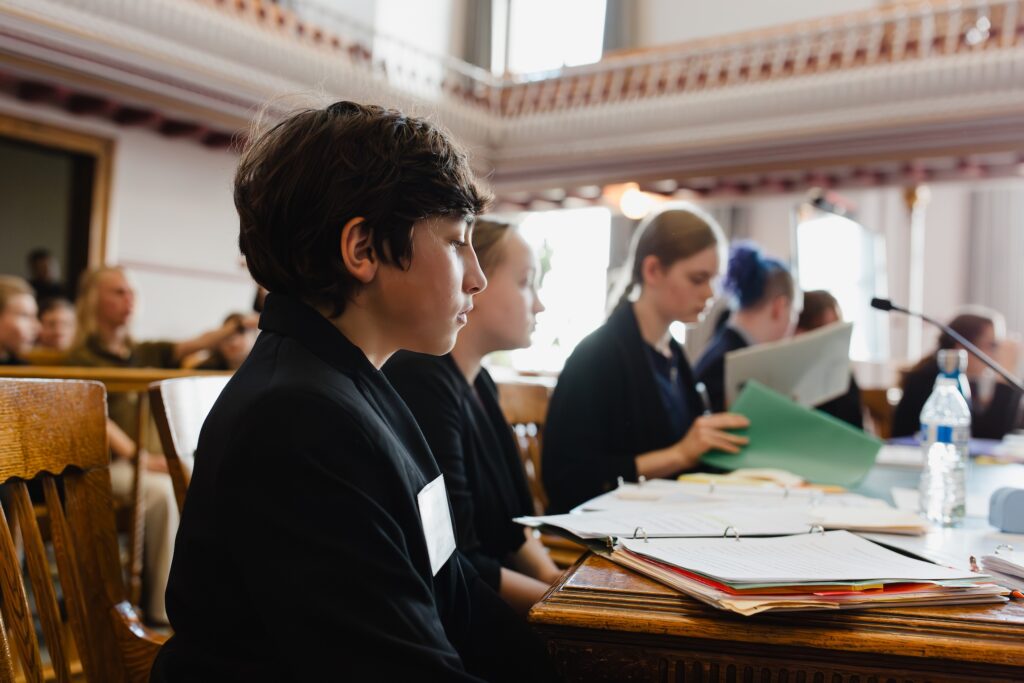
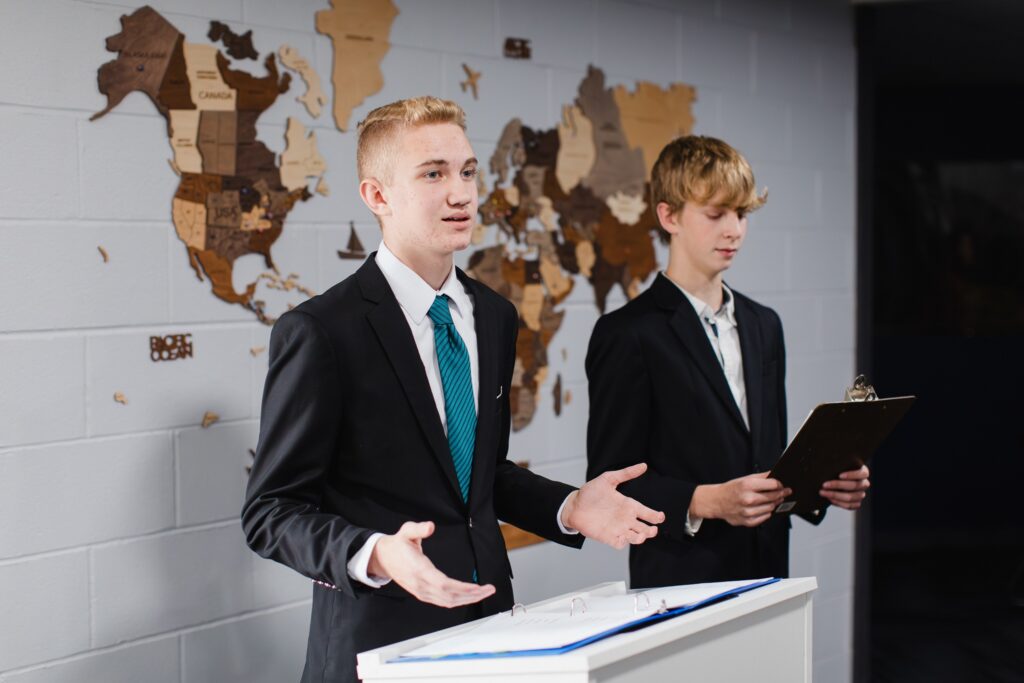
History comes alive as students delve into the great events and heroes of various historical eras (see table below) while exploring cartography, economics, and Formal Debate. Rhetorical events include: Mock Trial, Team Policy Debates, Lincoln-Douglas Debates, speeches, memorized presentations, and innovative projects.

Research
The wonder and intricacy of God’s universe is explored in deeper detail as students walk through the disciplines of science. Anatomy, Astronomy, Physical Science, Chemistry, Biology, and Physics are explored, emphasizing students’ development of the powers of observation and data collection. The orderly habits of conducting experiments and lab reporting techniques are included.
Reasoning
Over the scope of the Challenge program, students explore the branches of Logic, Philosophy, and Theology, including analogies and puzzles, formal logic, Socratic dialogues, music theory, Western philosophy, and Biblical theology. Scholars learn to spot fallacies, develop their own sound theses, and compare opposing arguments under the framework of a Biblical worldview.
Grammar
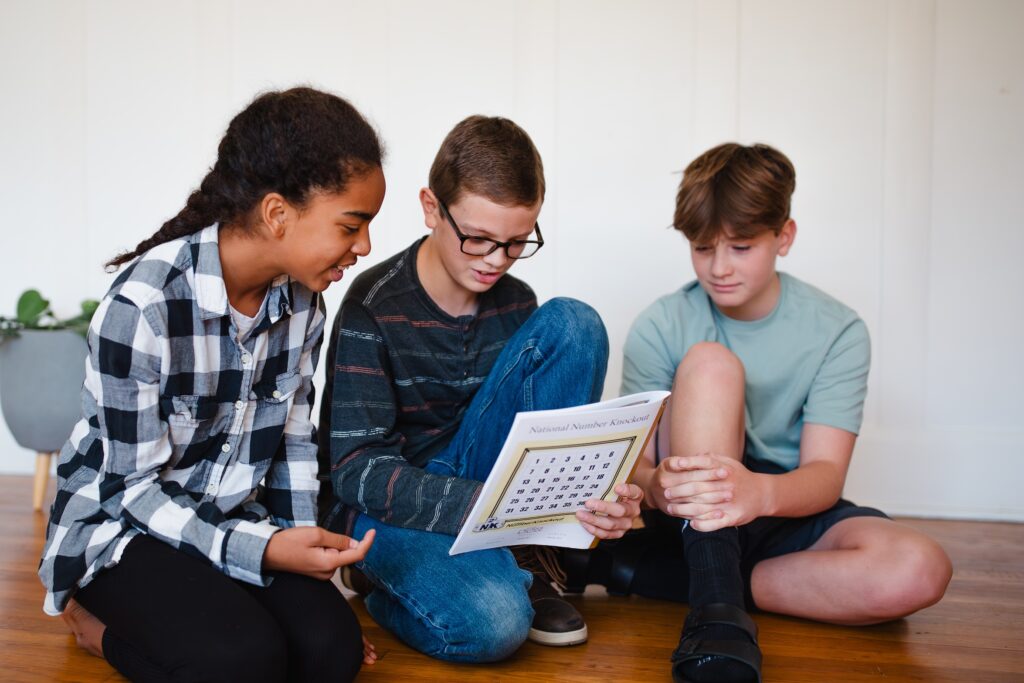
With the transition from Essentials to Challenge, the study of grammar moves from the English language to Latin. Students will continue to develop grammatical mastery through translation skills, memorization of vocabulary and rules, and exploration of texts by Caesar, Cicero, Virgil, and others, as well as hymns, poems, and selections from the Vulgate Bible.
Logic
Challenge students will use The Math Map (TMM) curriculum as they cultivate their ability to see the unseen in God’s good creation through mathematics. TMM emphasizes fluency in the language of mathematics,
greater community support for math studies, and cultivating the habits of classical mathematicians to know God and to make Him known.

Shari
Hatfield
Amy
Gattis
Christy Williams
Mandy
Lowe
Abigail Prescott
Tian
Boyaci

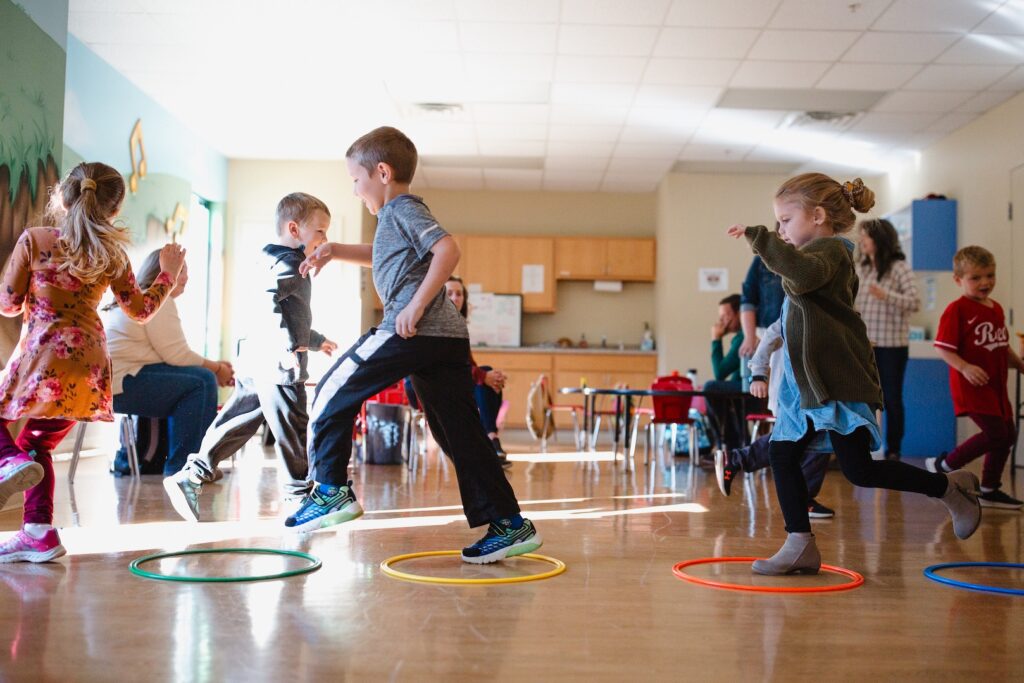
We begin in the early years with children’s natural inclination to imitate others. Your child builds a rich vocabulary by repeating and chanting rhymes and songs.
DialecticAs your child grows, we help you channel his or her curiosity into asking questions and investigating through dialogue.
RhetoricFinally, we provide opportunities for your maturing student to become a critical thinker and problem solver through writing and conversation.
The classical learning model incrementally shapes how children think and learn by building on how they naturally develop.
The Trivium
Grammar

Dialectic

Rhetoric


Challenge Program,
Strand by Strand
|
Challenge |
Theme |
Logic |
Grammar |
Research |
Reasoning |
Exposition |
Debate |
|---|---|---|---|---|---|---|---|
|
A |
“Attention leads to OWNERSHIP.” |
TMM Complex |
Latin A |
Biology & Natural Science, Science Fair |
Analogies, Puzzles |
Newbery Literature |
Cartography |
|
B |
“Ownership builds |
TMM Monomials |
Latin B |
History of Astronomy & Origins |
Informal Logic and Aesthetics |
Newbery Literature, Short Stories |
American Experience, Mock Trial |
|
I |
“Discipline is |
TMM Binomials |
Latin I |
Physical Science |
Traditional Logic I, Drama |
American Literature |
American Government, Free Market Economics |
|
II |
“Freedom provides |
Algebra and Geometry |
Latin II |
Biology |
Traditional Logic II, Socratic Dialogue |
British Literature |
Western Cultural History |
|
III |
“All choices bring |
Precalculus |
Caesar and Cicero Translations |
Chemistry |
Music Theory, Philosophy |
Poetry and Shakespeare |
American History |
|
IV |
“Understanding |
Precalculus and Calculus |
Virgil and assorted translations |
Physics |
Theology |
Ancient Literature |
World History |
190+ Celebrations
Captured with care














Shari
Hatfield
Amy
Gattis
Christy
Williams
Mandy
Lowe
Abigail
Prescott
Tian
Boyaci
Nicole Zajac, Foundations & Essentials Director